











Want to save this recipe?
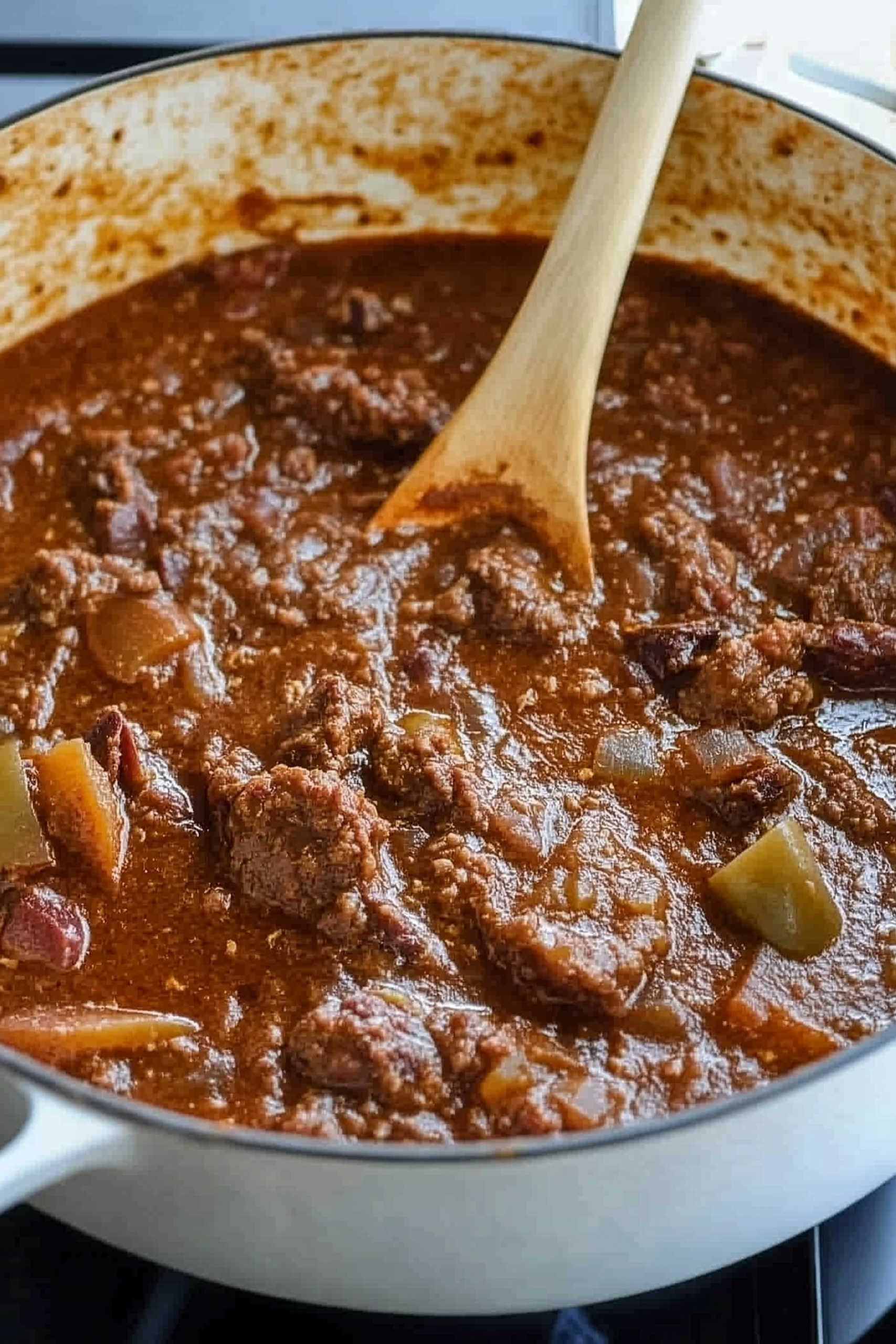
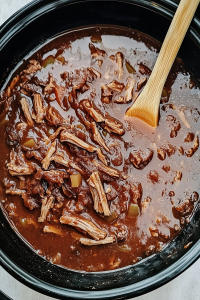
Nothing beats the deep, savory aroma of beef slow-simmering in a rich, paprika-spiked gravy on a chilly evening. German Goulash (or Rindergulasch) is the ultimate comfort food, offering tender chunks of beef that practically melt in your mouth after a long, low braise. Unlike its thinner Hungarian cousin, this version is thick, velvety, and deeply caramelized, making it the perfect centerpiece for a cozy family dinner.
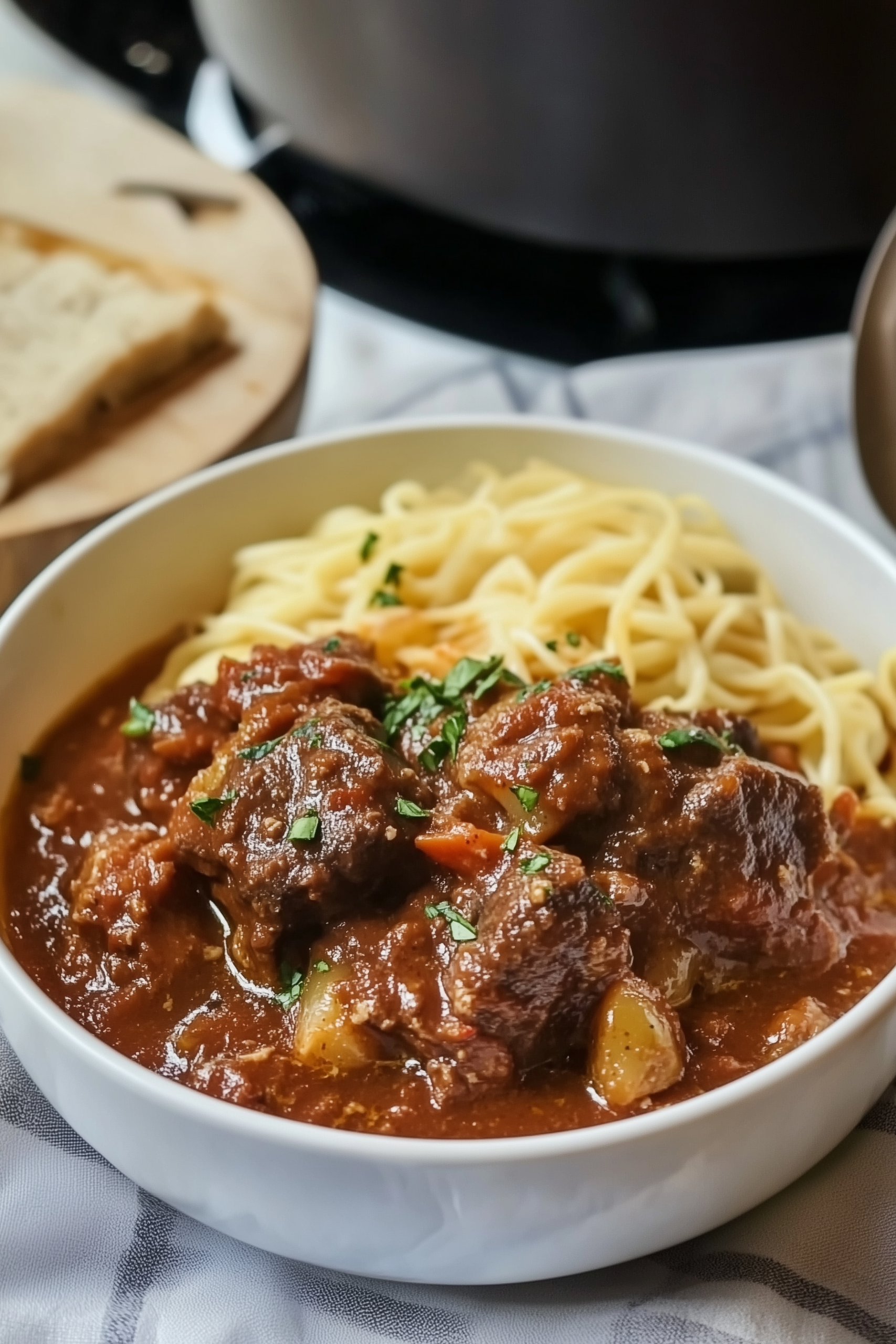
Serving this dish feels like bringing a piece of an old-world German tavern right into your own dining room. The sauce is complex and hearty, with a beautiful balance of smoky spice and sweet onions that have broken down to create a natural thickness. It’s a labor of love that rewards you with incredible depth of flavor, perfect for spooning over noodles or potatoes to soak up every last drop of that incredible gravy.
Why You’ll Love It
- Tender Results: The low and slow cooking method transforms tough cuts of beef into buttery, fork-tender morsels.
- Deep Flavor Profile: A generous amount of sweet and smoked paprika creates a rich, smoky base that you just can’t get from a quick sear.
- One-Pot Wonder: Everything happens in a single heavy-bottomed pot, meaning the flavors build on each other and cleanup is minimal.
- Better the Next Day: Like many stews, the flavors settle and intensify overnight, making it a fantastic meal-prep option.
- Naturally Thick Sauce: By using a high ratio of onions to meat, the sauce thickens naturally as the onions dissolve during the long simmer.
Ingredient Notes & Details
- Beef Chuck Roast: This is the best cut for braising; it has enough fat and connective tissue to stay moist during the long cook time.
- Yellow Onions: In authentic German goulash, you often use an equal weight of onions to beef. They provide the sweetness and body of the sauce.
- Paprika: Use a high-quality Sweet Hungarian Paprika for the bulk of the flavor, and a pinch of Smoked Paprika for depth.
- Red Wine: A dry red like Merlot or Cabernet Sauvignon adds acidity and richness. You can substitute with extra beef broth and a splash of balsamic vinegar.
- Tomato Paste: This provides a concentrated umami base and helps deepen the color of the gravy.
- Beef Broth: Use low-sodium broth so you can control the final saltiness of the dish as it reduces.
Substitutions: For a lighter version, you can use pork shoulder. To make it gluten-free, ensure your beef broth is certified and skip any optional flour dusting on the meat.
Step-by-Step Instructions
The secret to a world-class goulash starts with the sear. Pat your beef cubes dry and sear them in batches in a hot Dutch oven. You aren’t trying to cook them through; you are looking for a deep, dark crust that will eventually flavor the entire sauce. Once the meat is removed, toss in your mountain of diced onions. Cook them slowly until they are soft and golden brown, scraping up the flavorful browned bits (the fond) left behind by the beef.
Stir in the tomato paste and paprika, letting them toast for just a minute to release their oils—be careful not to burn the paprika, as it can turn bitter. Deglaze the pan with red wine, then return the beef and add the broth. Cover and let it simmer at a very low bubble. The “why” here is simple: patience. The collagen in the beef needs time to break down into gelatin, which creates that luxurious, lip-smacking texture in the gravy.
Expert Tips
- Don’t Crowd the Pan: If you add too much meat at once while searing, it will steam instead of browning. Work in batches for the best color.
- The Onion Ratio: Don’t be intimidated by the amount of onions; they will essentially disappear into the sauce, providing incredible thickness.
- Low Heat is Essential: A rolling boil will toughen the meat. Keep it at a very gentle simmer for the most tender results.
- Add Caraway Seeds: For a truly traditional flavor, add a teaspoon of crushed caraway seeds to the spice mix.
- Balance with Acid: A tiny splash of vinegar or a squeeze of lemon juice at the very end can brighten the heavy flavors.
Storage & Reheating
- Fridge: Store in an airtight container for up to 4 days. The sauce will thicken significantly when cold.
- Reheating: Warm gently on the stovetop over medium-low heat, adding a splash of water or broth if the gravy is too thick.
- Freezing: This stew freezes beautifully for up to 3 months. Thaw in the refrigerator for 24 hours before reheating.
Serving & FAQs
What do you serve with German Goulash? Traditional accompaniments include Spätzle (German egg noodles), boiled potatoes, or wide egg noodles. A side of red cabbage (Rotkohl) or a simple green salad provides a nice contrast to the rich meat.
Can I make this in a slow cooker? Yes! Sear the meat and onions in a pan first for maximum flavor, then transfer everything to the slow cooker and cook on low for 7–8 hours.
📖 Recipe
Authentic German Beef Goulash
Ingredients
- 2.5 lbs Beef chuck roast cut into 1.5-inch cubes
- 3 Large yellow onions finely diced
- 3 tbsp Vegetable oil
- 3 tbsp Sweet Hungarian paprika
- 1 tsp Smoked paprika
- 2 tbsp Tomato paste
- 1 cup Dry red wine
- 3 cups Beef broth
- 2 Bay leaves
- 1 tsp Dried marjoram
- Salt and black pepper to taste
- Fresh parsley for garnish
Instructions
- Sear: Heat oil in a large Dutch oven over medium-high heat. Sear beef cubes in batches until browned on all sides. Remove and set aside.
- Sauté: Reduce heat to medium. Add onions to the pot and cook for 10–12 minutes until soft and golden brown.
- Spice: Stir in tomato paste, sweet paprika, and smoked paprika. Cook for 1 minute while stirring constantly.
- Deglaze: Pour in the red wine, scraping the bottom of the pot to release the browned bits. Let it simmer for 2 minutes.
- Simmer: Return the beef to the pot. Add beef broth, bay leaves, and marjoram. Season with salt and pepper.
- Braise: Bring to a boil, then reduce heat to low. Cover and simmer gently for 1.5 to 2 hours, or until the beef is fork-tender and the sauce has thickened.
- Serve: Remove bay leaves. Taste and adjust seasoning. Serve over noodles or potatoes, garnished with fresh parsley.



Leave a Reply