

Want to save this recipe?
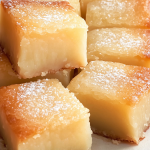
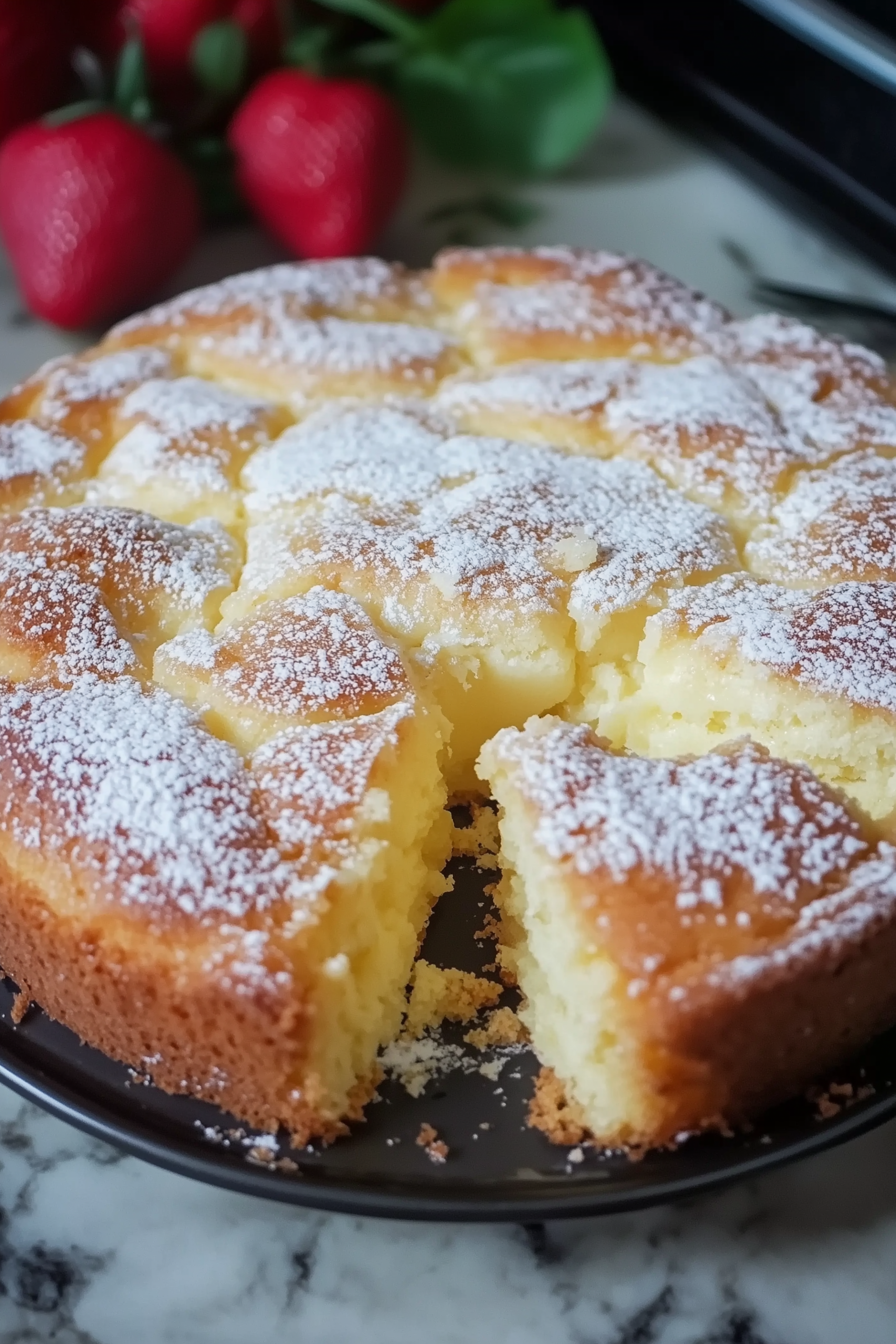
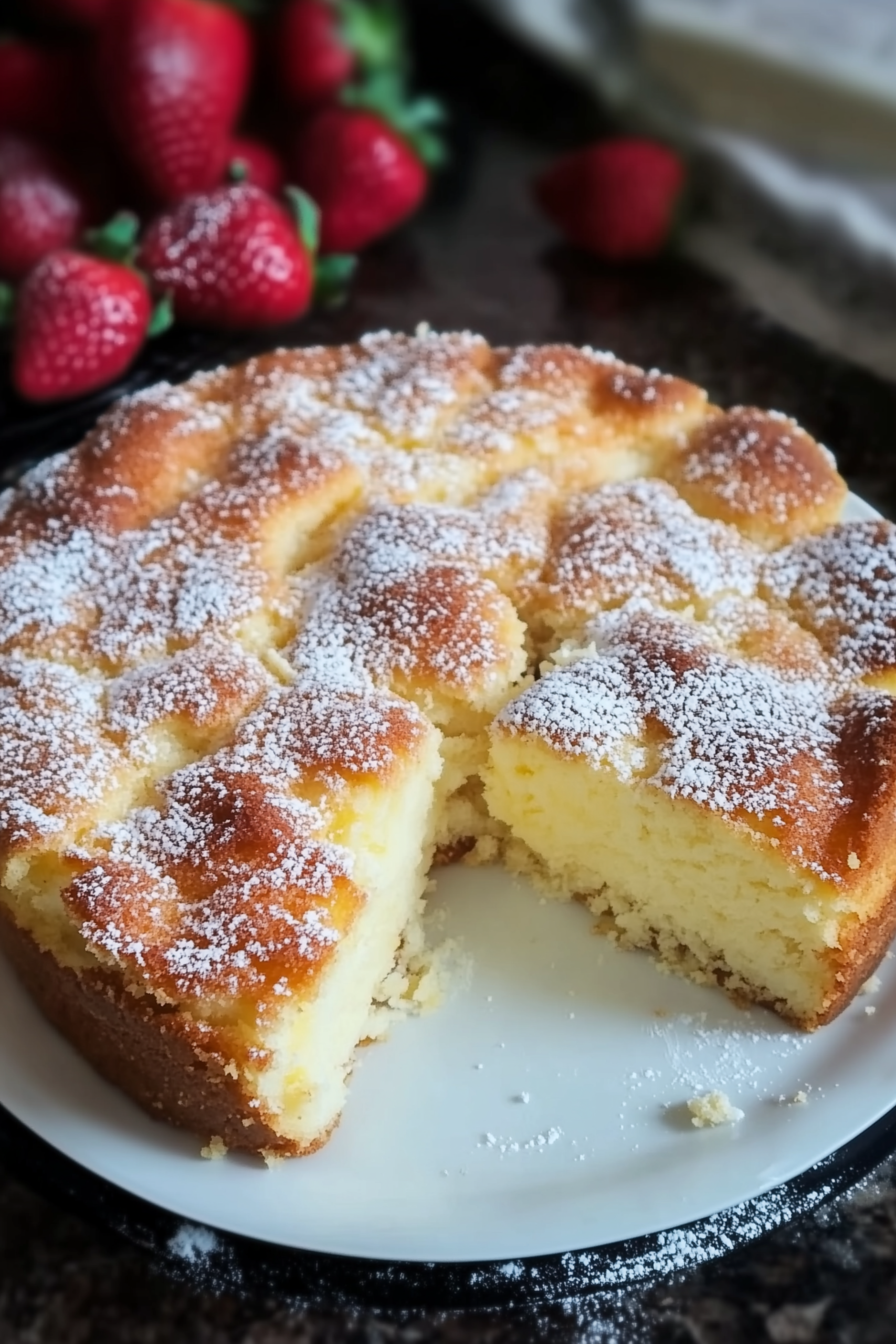
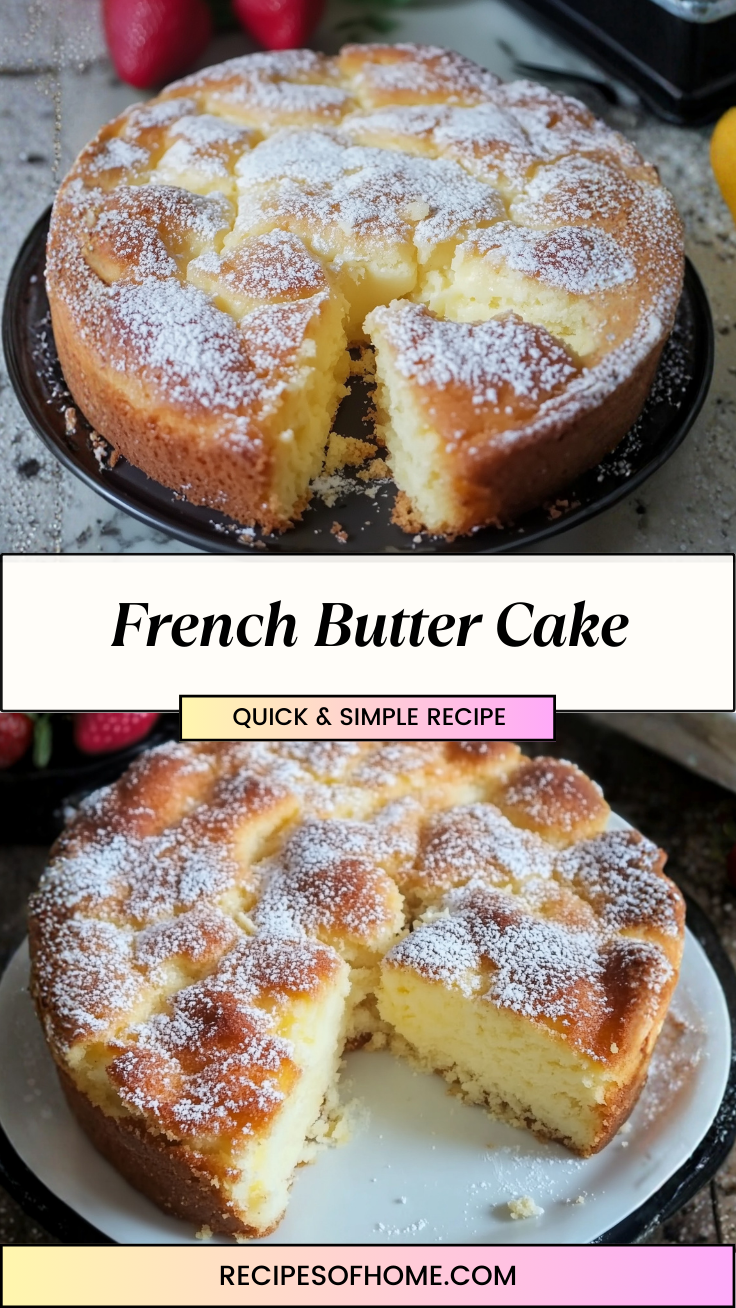
This French Butter Cake is the kind of dessert that immediately transports you to a charming Parisian patisserie. It’s a simple, elegant cake with a dense yet soft crumb and a golden, buttery exterior that’s finished with a delicate dusting of powdered sugar. The beauty of this recipe is its pure, uncomplicated flavor—rich butter and sweet vanilla shine through in every single bite.
Whether you’re serving it alongside a mid-morning coffee or as a centerpiece for a weekend brunch, this cake is a total classic. It’s sophisticated enough for guests but easy enough to whip up on a whim. The texture is what makes it truly special—it’s slightly more substantial than a standard sponge cake, giving it a satisfying richness that pairs perfectly with a few fresh berries or a dollop of whipped cream.
Why You’ll Love It
- Minimal Ingredients: You only need a few high-quality pantry staples to create a bakery-worthy dessert.
- The Perfect Crumb: This cake features a unique, dense-yet-tender texture that isn’t overly airy or dry.
- Goes with Everything: It’s the ultimate versatile base for fruit compotes, ice cream, or just a simple cup of tea.
- One-Bowl Friendly: The batter comes together quickly without needing complex equipment or techniques.
- Timeless Appeal: It’s a sophisticated dessert that appeals to both kids and adults alike.
Ingredient Notes & Details
- High-Quality Butter: Since this is a butter cake, use the best European-style butter you can find. It has a higher fat content and provides a richer flavor.
- All-Purpose Flour: Provides the necessary structure for that iconic dense crumb.
- Granulated Sugar: Sweetens the cake and helps achieve those beautiful golden-brown edges.
- Eggs: Use room-temperature eggs to ensure they emulsify properly with the butter for a smooth batter.
- Vanilla Extract: A generous splash of pure vanilla extract (or vanilla bean paste) adds that classic, floral aroma.
- Powdered Sugar: A simple dusting on top is the traditional way to finish this cake, adding a hint of extra sweetness and elegance.
Step-by-Step Instructions
Start by creaming your softened butter and granulated sugar together until the mixture is pale and fluffy. This process incorporates air that will help the cake rise slightly while maintaining its signature density. Add the eggs one at a time, beating well after each addition to ensure a cohesive batter.
Gently fold in your dry ingredients—flour, baking powder, and salt—until just combined. Overmixing at this stage can make the cake tough, so stop as soon as you no longer see streaks of flour. Pour the thick, luscious batter into a well-greased and floured cake pan or a springform pan.
Bake at 350°F until the top is golden brown and a toothpick inserted into the center comes out clean. The cake should feel springy to the touch. Once cooled slightly, remove it from the pan and let it finish cooling on a wire rack. Just before serving, use a fine-mesh sieve to generously dust the top with powdered sugar.
Tips
- Room Temperature is Key: Make sure your butter and eggs are truly at room temperature. Cold ingredients won’t cream properly, which can affect the final texture of the cake.
- Don’t Overbake: Check the cake a few minutes before the timer goes off. You want it to be just set so it remains moist and buttery.
- Proper Creaming: Spend the full 3–5 minutes creaming the butter and sugar; it makes a huge difference in the lightness of the crumb.
- Use a Springform Pan: This makes it incredibly easy to remove the cake without disturbing that delicate powdered sugar finish.
- Add Citrus Zest: For a bright twist, add the zest of one lemon or orange to the sugar before creaming it with the butter.
Storage & Reheating
This cake stays fresh and moist for up to 3 days when stored in an airtight container at room temperature. If you prefer to keep it longer, you can refrigerate it for up to a week. For the best flavor and texture, let chilled slices come to room temperature before serving. While it doesn’t need much reheating, a quick 10-second zap in the microwave can bring back that “fresh from the oven” buttery softness.
Serving & FAQs
What should I serve with French Butter Cake? While it’s perfect on its own, a side of fresh raspberries or a simple strawberry coulis adds a lovely acidic contrast to the rich butter.
Can I freeze this cake? Yes! Wrap the un-dusted cake tightly in plastic wrap and then foil. It will keep well in the freezer for up to 2 months. Thaw at room temperature before dusting with powdered sugar.
📖 Recipe
Classic French Butter Cake
Ingredients
- 1 cup 2 sticks unsalted European-style butter, softened
- 1 cup granulated sugar
- 3 large eggs room temperature
- 1.5 tsp pure vanilla extract
- 1.5 cups all-purpose flour
- 1 tsp baking powder
- ¼ tsp salt
- Powdered sugar for dusting
Instructions
- Preheat your oven to 350°F and grease a 9-inch cake pan or springform pan.
- In a large bowl, cream together the softened butter and granulated sugar until light and fluffy (about 3–5 minutes).
- Add the eggs one at a time, beating well after each addition. Stir in the vanilla extract.
- In a separate bowl, whisk together the flour, baking powder, and salt.
- Gradually add the dry ingredients to the wet ingredients, stirring until just combined. Do not overmix.
- Spread the batter evenly into the prepared pan.
- Bake for 30–35 minutes, or until the top is golden and a tester comes out clean.
- Cool in the pan for 10 minutes, then transfer to a wire rack to cool completely.
- Dust generously with powdered sugar before serving.


Leave a Reply