










Want to save this recipe?
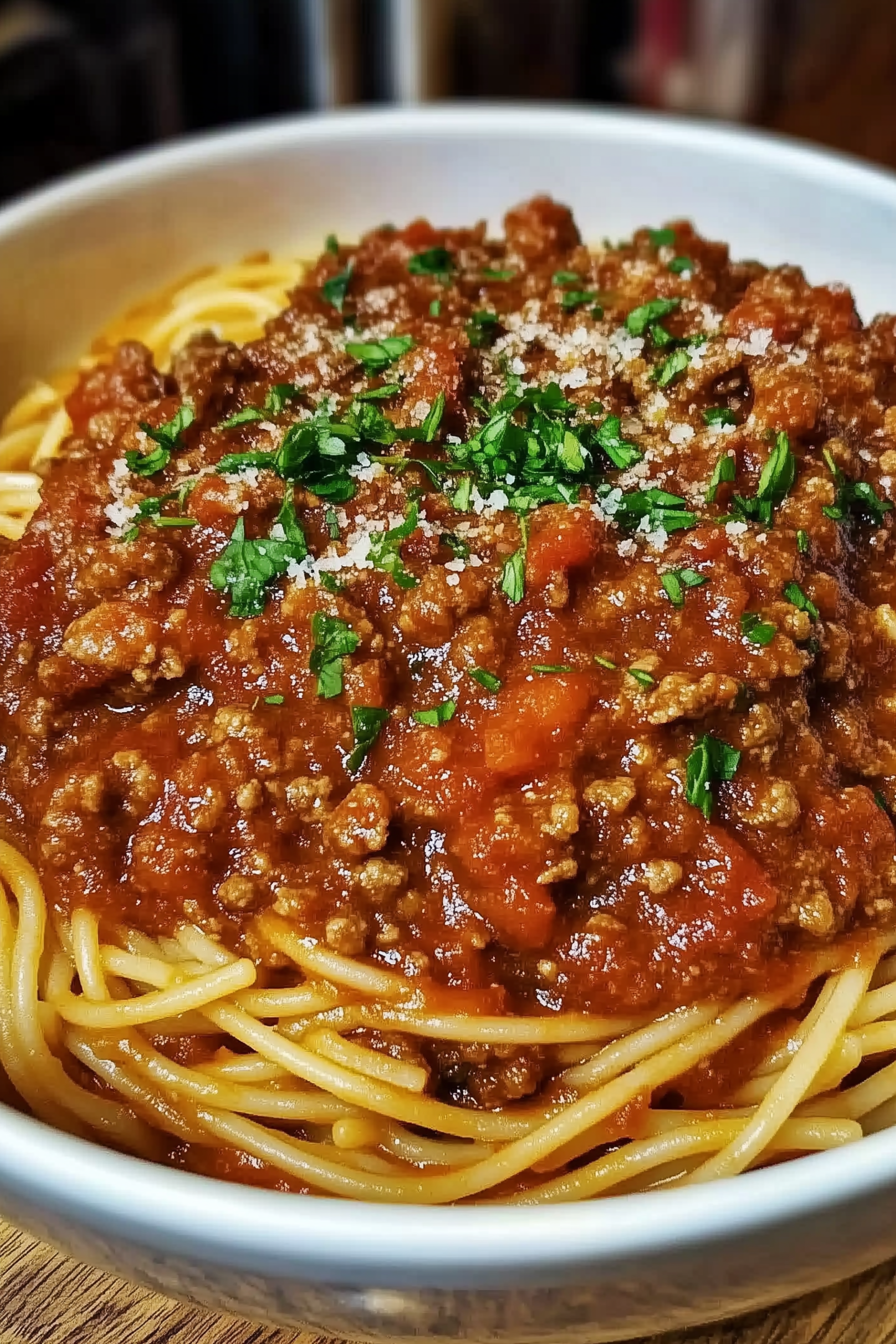
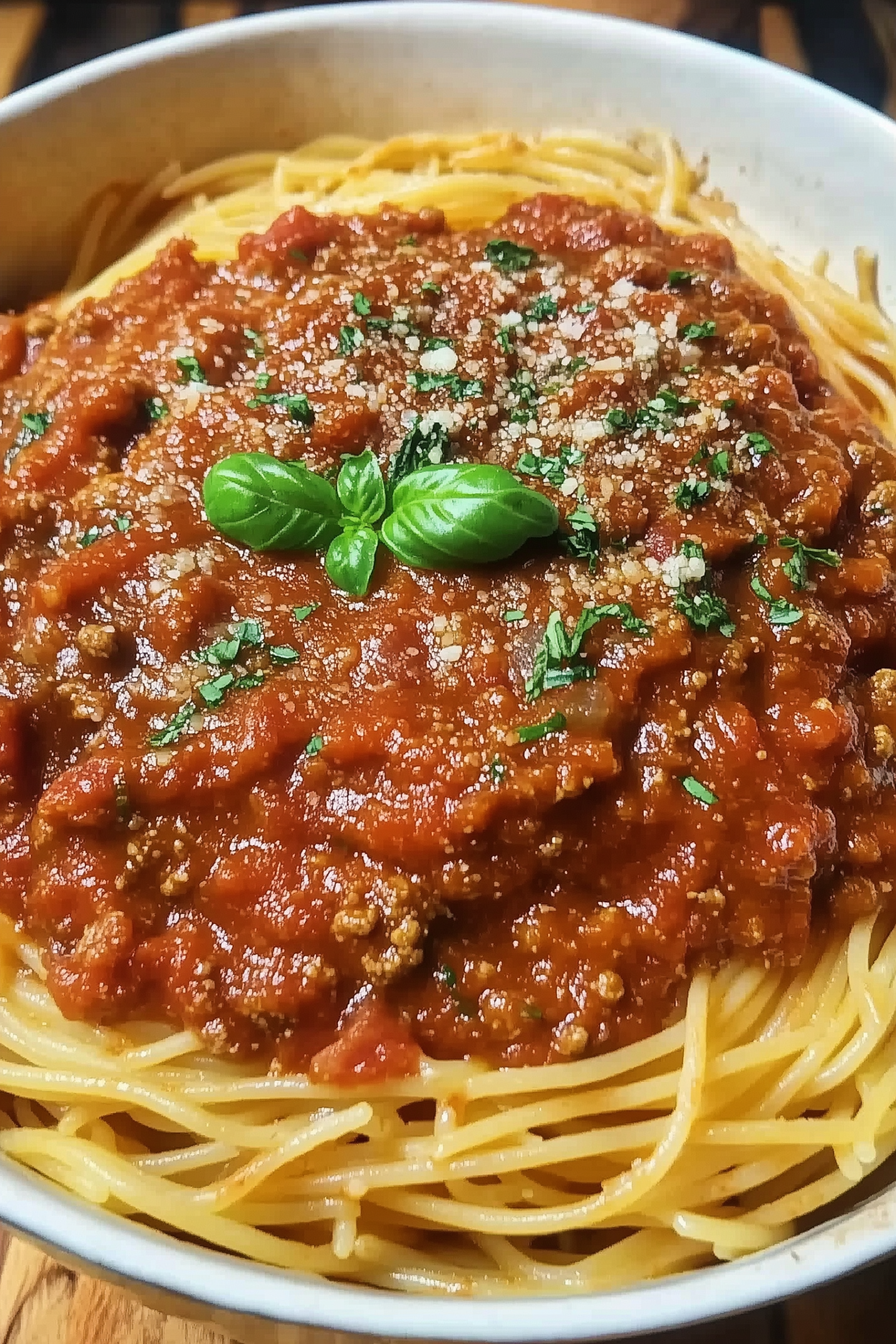
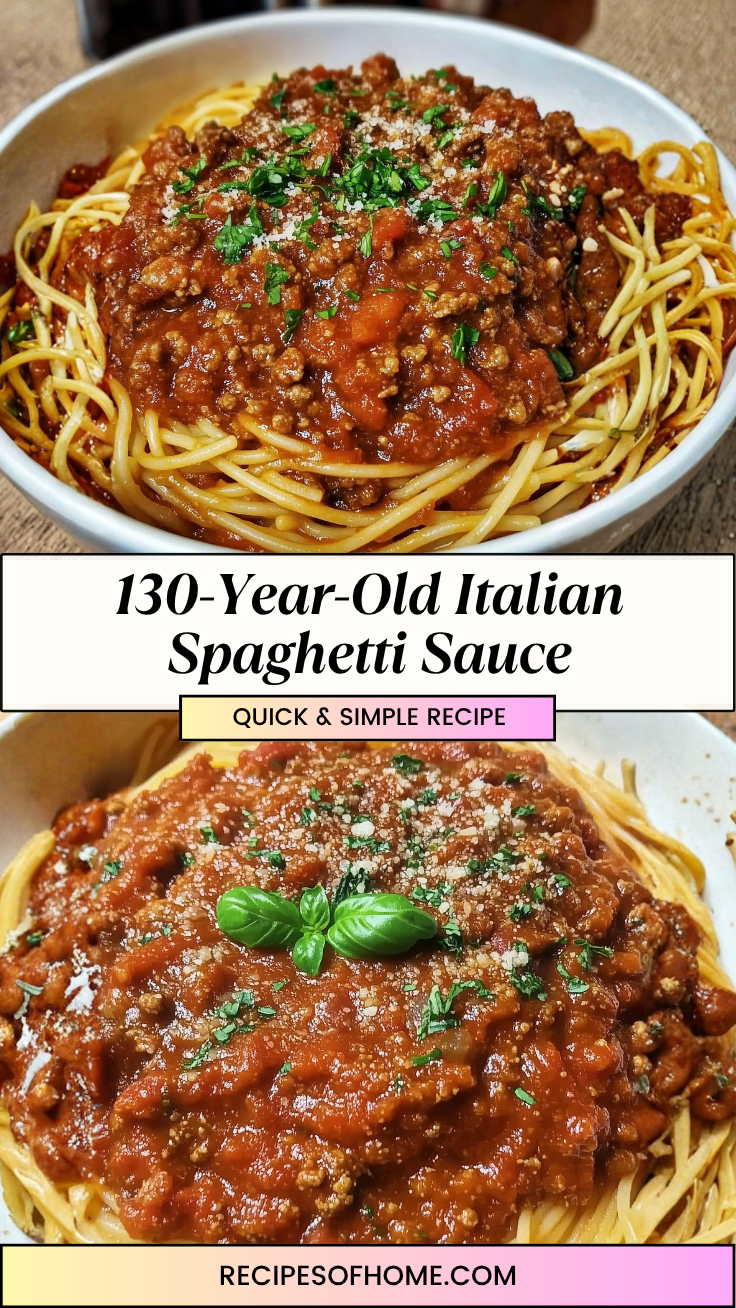
Walking into a kitchen where this sauce has been simmering for hours feels like a warm hug from a grandmother you never met. This 130-year-old recipe isn’t just about tomatoes; it’s about the patience of a slow-rendered meat base and the way a kitchen transforms when garlic and herbs hit hot olive oil. It’s a thick, velvety ragu that doesn’t just sit on top of your spaghetti—it hugs every strand.
When you serve this, you aren’t just putting dinner on the table; you’re serving a piece of history. The sauce is rich, deeply savory, and has a subtle sweetness that only comes from a long, slow cook time. I remember the first time I made this for my family; the house smelled so incredible that my kids were in the kitchen with pieces of bread ready to dip before I even pulled the pasta out. It’s the kind of meal that turns a regular Sunday into a core memory, centered around a pot of bubbling red gold that has been perfected over generations.
Why You’ll Love It
- A Century of Balance: This recipe has survived 130 years for a reason—it has the perfect ratio of acidity to sweetness without needing heaps of white sugar.
- Deep Umami Profile: By using a blend of meats and browning them properly, you create a complex, meaty depth that jarred sauces simply cannot replicate.
- The Ultimate Comfort: It’s a thick, hearty sauce that feels substantial and satisfying, making it the perfect “stick-to-your-ribs” meal for cold nights.
- Better the Next Day: The flavors continue to meld and deepen in the fridge, making leftovers something the whole family actually fights over.
- Freezer Friendly: This is the perfect “batch cook” recipe; it freezes beautifully, so you can have a gourmet Italian dinner ready in minutes on a busy weeknight.
Ingredient Notes & Details
- San Marzano Tomatoes: These are non-negotiable for an authentic 130-year-old flavor. They are grown in volcanic soil, making them sweeter and less acidic than standard canned tomatoes.
- The “Trinity” (Soffritto): Onions, carrots, and celery form the flavor base. The carrots are the “secret” to balancing the tomato acidity naturally.
- Ground Beef and Pork: A 50/50 blend is traditional. The beef provides the structure, while the pork adds fat and a delicate sweetness.
- Tomato Paste: This is used to thicken the sauce and intensify the tomato flavor. Caramelizing it in the pan before adding liquid is key.
- Dry Red Wine: A splash of Chianti or Cabernet helps deglaze the pan and adds a sophisticated, dark fruit undertone to the finished ragu.
Natural Substitutions:
- Ground Turkey: Swap the beef/pork for ground turkey for a lighter version, though you may need a touch more olive oil.
- Honey: If your tomatoes are particularly acidic, a teaspoon of honey is a great natural way to mellow the sauce.
- Mushrooms: For a vegetarian twist, finely chopped cremini mushrooms can replace the meat to maintain that earthy texture.
Step-by-Step Instructions
The secret to a sauce this old isn’t a hidden spice; it’s the technique of building layers. Start by sautéing your finely diced onion, carrot, and celery in high-quality olive oil. You aren’t just softening them; you want them to almost melt into the oil. This creates the “soffritto,” the aromatic foundation of the entire dish. Once the vegetables are translucent, add your meat. Use a wooden spoon to break it into very small crumbles—large chunks are for chili, but for this Italian classic, we want a uniform, fine texture.
Once the meat is browned, push it to the sides and add your tomato paste to the center. Let it fry for a minute until it turns a deep rust color; this removes the “tinny” taste and unlocks a rich sweetness. Deglaze the pan with your red wine, scraping up all those flavorful brown bits (the fond) from the bottom. Finally, hand-crush your San Marzano tomatoes into the pot. Lower the heat to a bare simmer. You want to see just one or two bubbles breaking the surface every few seconds. This slow cook breaks down the tomato fibers until they become a cohesive, thick sauce that clings to your pasta perfectly.
Tips for Success
- The “Low and Slow” Rule: If you try to boil this sauce, it will turn bitter. Keep the heat at the lowest possible setting for at least three hours.
- The Pasta Water Secret: Always reserve a half-cup of starchy pasta water. Stir it into the sauce right before serving to help it emulsify and stick to the noodles.
- Hand-Crush the Tomatoes: Don’t blend them! Crushing them by hand leaves small “jewels” of tomato throughout the sauce for a rustic, authentic texture.
- Brown the Meat Deeply: Don’t stop at grey; wait until the meat is truly browned. That caramelization is where the “130-year-old” depth comes from.
- Fresh Herbs at the Finish: Add your fresh basil or parsley in the last 5 minutes of cooking to keep their bright, peppery flavors alive.
Storage & Reheating
- Fridge: Store in a glass container (to avoid staining) for up to 5 days.
- Freezer: This sauce lasts for up to 6 months in the freezer. I like to freeze it in muffin tins for perfect “single-serve” portions.
- Reheating: Reheat on the stovetop over medium-low heat. If the sauce has thickened too much in the fridge, add a tablespoon of water or broth to loosen it back up.
Serving & FAQs
This sauce is traditionally served with a thick spaghetti or a ridged pasta like rigatoni that can hold onto the heavy meat. I always serve it with a side of garlic bread to ensure not a single drop of sauce is left on the plate. A simple arugula salad with lemon dressing is the perfect bright contrast to the heavy, savory ragu.
Do I have to use wine? Not at all! If you prefer not to cook with alcohol, you can deglaze the pan with a little beef broth or even a splash of balsamic vinegar for that necessary hit of acidity.
Why does my sauce look orange? This usually happens if you’ve incorporated too much air by blending it or if you haven’t cooked it long enough. A long simmer will eventually turn the sauce a deep, dark red.
Homemade 130-Year-Old Italian Sauce
Prep time: 22 mins Cook time: 3 hours 12 mins Servings: 8 people
Ingredients
- 1 lb Ground beef (80/20)
- 1 lb Ground pork
- 2 cans (28 oz each) San Marzano whole peeled tomatoes
- 1 large Yellow onion, finely diced
- 2 medium Carrots, finely grated
- 2 stalks Celery, finely minced
- 4 cloves Garlic, smashed and minced
- 3 tbsp Tomato paste
- ½ cup Dry red wine (Chianti or Merlot)
- ¼ cup Extra virgin olive oil
- 1 tsp Dried oregano
- ½ cup Fresh basil, torn
- Salt and black pepper to taste
Instructions
- Sauté Aromatics: In a heavy-bottomed Dutch oven, heat olive oil over medium heat. Add onion, carrots, and celery. Cook for 8–10 minutes until very soft. Add garlic and cook for 1 minute more.
- Brown Meat: Add the beef and pork. Cook, breaking it into fine crumbles, until no pink remains and the meat begins to brown.
- Caramelize Paste: Clear a space in the center of the pan and add the tomato paste. Stir it into the bottom of the pan for 2 minutes until darkened.
- Deglaze: Pour in the red wine. Use a wooden spoon to scrape all the browned bits off the bottom of the pot. Simmer until the wine is reduced by half.
- Simmer: Hand-crush the tomatoes into the pot, adding all the juices from the cans. Add the dried oregano. Reduce heat to low and cover partially. Simmer for 3 hours, stirring occasionally.
- Finish: Stir in the fresh basil and season generously with salt and pepper. Serve over al dente spaghetti with plenty of grated Parmesan.



Leave a Reply