
Want to save this recipe?
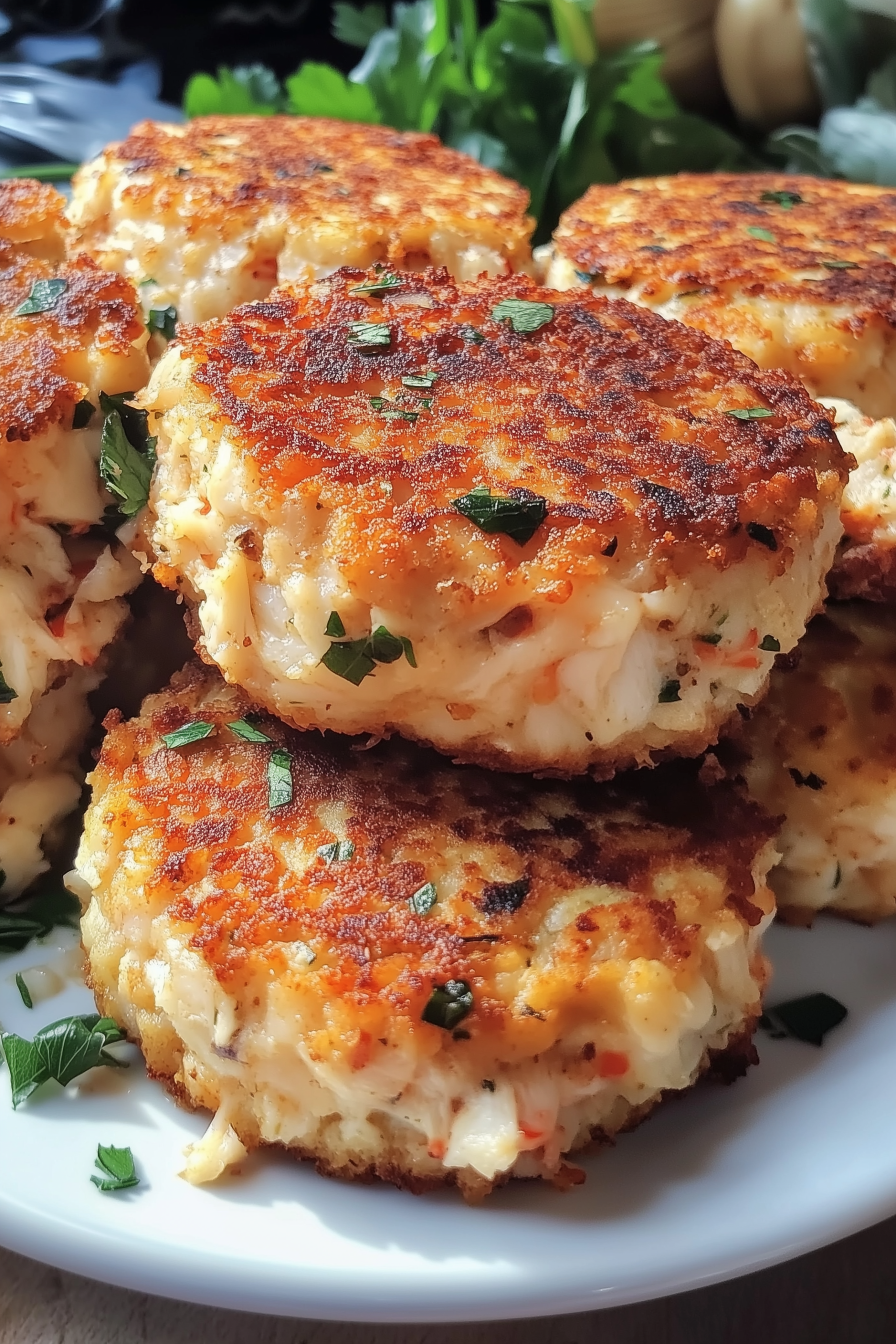
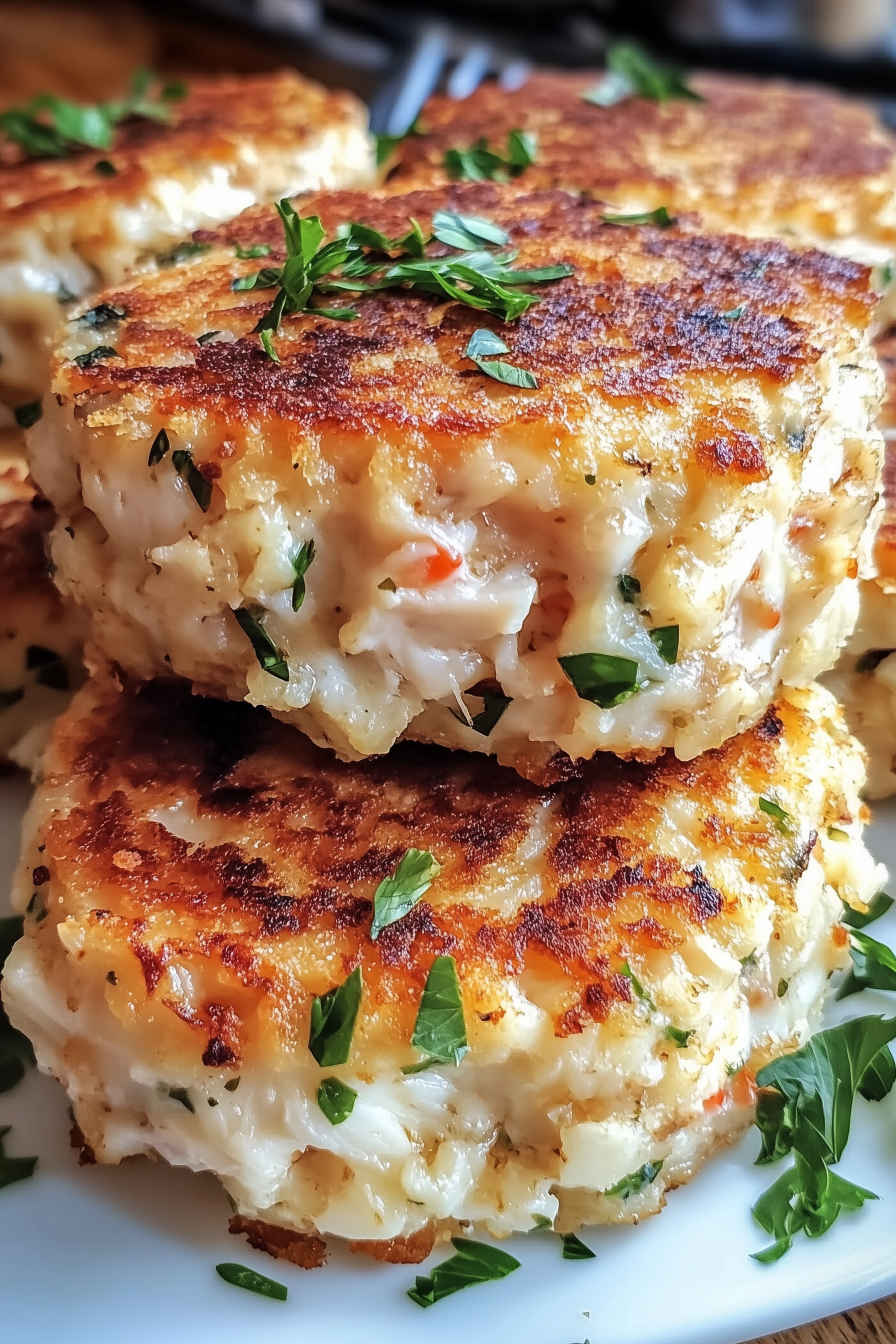
The aroma of Old Bay seasoning and fresh lemon zest hitting a hot oven is my absolute favorite way to signal that dinner is going to be special. There is a specific kind of magic that happens with these baked crab cakes; they come out with a stunning, golden panko crust that shatters under your fork to reveal huge, tender lumps of sweet crab meat inside. Unlike the greasy, heavy versions you often find at restaurants, these are light, vibrant, and let the seafood truly shine as the star of the show.
I love the feeling of placing a platter of these on the table and watching my family dive in. They have that “fancy coastal restaurant” vibe, but without the mess of a deep fryer or the steep price tag of a night out. It’s the ultimate weekend treat that feels sophisticated yet remains incredibly easy to pull off. Whether you’re serving them as an elegant appetizer or a hearty main course with a crisp side salad, they bring a little bit of the seaside right into your kitchen, making even a regular Tuesday feel like a celebration.
Why You’ll Love It
- Lump-Forward Flavor: This recipe is designed with minimal filler, ensuring that every bite is packed with sweet, succulent crab rather than just breadcrumbs.
- Mess-Free Preparation: By baking instead of frying, you avoid oil splatters on your stovetop and keep your kitchen smelling fresh instead of like a chip shop.
- Healthier Indulgence: You get that iconic crispy exterior using just a fraction of the oil, making this a dinner you can feel great about serving.
- Make-Ahead Simplicity: You can form the patties earlier in the day and keep them in the fridge, so all you have to do is pop them in the oven when guests arrive.
- Perfectly Portionable: Whether you want jumbo cakes for a main dish or mini sliders for a party, this mixture holds its shape beautifully at any size.
Ingredient Notes & Details
- Lump Crab Meat: This is the heart of the dish. Look for “Lump” or “Backfin” crab for the best texture. If you can find the refrigerated tins at the seafood counter, the flavor is significantly better than the shelf-stable canned options.
- Panko Breadcrumbs: These Japanese-style crumbs are lighter and airier than traditional breadcrumbs, which is what gives these cakes their signature “shatter” crunch.
- Mayonnaise: This acts as the primary binder. It keeps the interior moist and rich without competing with the delicate flavor of the crab.
- Old Bay Seasoning: The quintessential seafood spice. It adds that warm, celery-salt and paprika-forward depth that defines a classic Maryland-style crab cake.
- Dijon Mustard: A small amount adds a sophisticated tang and helps emulsify the binder so the cakes don’t fall apart during baking.
- Fresh Parsley and Lemon: These are essential for brightening the dish. The parsley adds an earthy freshness, while the lemon zest cuts through the richness of the mayo.
Natural Substitutions:
- Greek Yogurt: You can swap half of the mayonnaise for plain Greek yogurt for a slightly tangier, higher-protein binder.
- Gluten-Free: Simply use gluten-free panko crumbs; they work exactly the same way and provide excellent crunch.
- Shrimp: If crab is out of your budget, finely chopped raw shrimp can be used with this same binder for delicious shrimp cakes.
Step-by-Step Instructions
The secret to a restaurant-quality crab cake is all in the “gentle touch.” Start by whisking your binder ingredients together—the mayo, egg, mustard, and spices—in a large bowl until smooth. Once that’s ready, it’s time to add the crab. This is the most important part: you want to fold the crab in using a rubber spatula as if you were folding egg whites into a cake batter. The goal is to keep those beautiful lumps intact; if you over-mix, you’ll end up with a “crab paste” rather than a textured cake.
Once the mixture is combined, fold in the panko. Let the mixture sit for about 5 to 10 minutes. This allows the breadcrumbs to absorb some of the moisture, which makes forming the patties much easier. I like to use a large ice cream scoop to ensure all my cakes are the same size, which helps them cook evenly in the oven.
The real pro-tip for success is the chill time. Place your formed patties on a parchment-lined tray and let them firm up in the fridge for at least 30 minutes. This “sets” the binder, preventing the cakes from spreading or falling apart when they hit the heat. When you’re ready to bake, a light drizzle of melted butter or a quick spray of olive oil on top of each cake is what creates that gorgeous, deep golden-brown crust.
Tips for Success
- Drain the Crab: Even the best lump crab can come with excess liquid. Gently pat the meat dry with a paper towel before mixing to prevent a soggy interior.
- Don’t Over-Bread: Resist the urge to add more panko than the recipe calls for. You want just enough to hold it together—the crab should always be the star.
- The Chill is Key: If you skip the 30-minute fridge rest, your cakes are much more likely to crumble. Patience pays off in the form of a perfect patty.
- High Heat Finish: I love to turn the broiler on for the final 60 seconds of cooking. It gives the panko that extra-toasty, professional look.
- Use a Silicone Mat: Or high-quality parchment paper. These cakes are delicate, and you don’t want that crispy bottom sticking to the pan.
Storage & Reheating
- Fridge: Store any leftovers in an airtight container for up to 2 days.
- Freezer: You can freeze unbaked crab cakes for up to 1 month. Wrap them individually in plastic wrap and store them in a freezer bag. Bake from frozen, adding about 10 minutes to the total time.
- Reheating: To keep them crispy, reheat in an air fryer at 350°F for 4–5 minutes, or in a toaster oven. Avoid the microwave, as it will make the panko soggy and the crab rubbery.
Serving & FAQs
I usually serve these with a side of homemade remoulade or a simple tartar sauce. For sides, a light cucumber salad or some roasted asparagus with lemon butter balances the richness perfectly. If I’m serving them as a main, a small pile of garlic herb roasted potatoes makes it a full, satisfying meal.
Can I use imitation crab? You can, but the texture will be very different. Imitation crab is made of white fish (surimi) and is much denser. It won’t have that same “melt-in-your-mouth” quality as real lump crab meat.
Why did my crab cakes fall apart? This usually happens if the mixture was too wet or if the cakes weren’t chilled before baking. Make sure to measure your mayo carefully and don’t skip the fridge rest!
Homemade Baked Crab Cakes
Prep time: 18 mins (+ chilling) Cook time: 14 mins Servings: 4 people (Makes 8 cakes)
Ingredients
- 1 lb Lump crab meat, drained and picked for shells
- ½ cup Panko breadcrumbs
- ¼ cup Mayonnaise
- 1 large Egg, beaten
- 1 tbsp Dijon mustard
- 1 tsp Old Bay seasoning
- 1 tsp Lemon zest
- 2 tbsp Fresh parsley, finely chopped
- 1 tbsp Butter, melted (for drizzling)
- Lemon wedges for serving
Instructions
- Whisk Binder: In a large bowl, whisk together the mayonnaise, egg, Dijon mustard, Old Bay, lemon zest, and parsley until well combined.
- Fold Crab: Gently fold in the lump crab meat using a rubber spatula, being careful not to break up the large lumps.
- Add Crunch: Fold in the panko breadcrumbs and let the mixture rest for 10 minutes.
- Form & Chill: Use a ½ cup measuring cup or scoop to form 8 patties. Place them on a parchment-lined baking sheet. Cover loosely and refrigerate for 30–60 minutes.
- Bake: Preheat your oven to 425°F (218°C). Drizzle the tops of the cakes with a little melted butter. Bake for 12–15 minutes until the tops are golden brown and the cakes are heated through.
- Garnish: Serve warm with fresh lemon wedges and your favorite dipping sauce.
Leave a Reply