





Want to save this recipe?
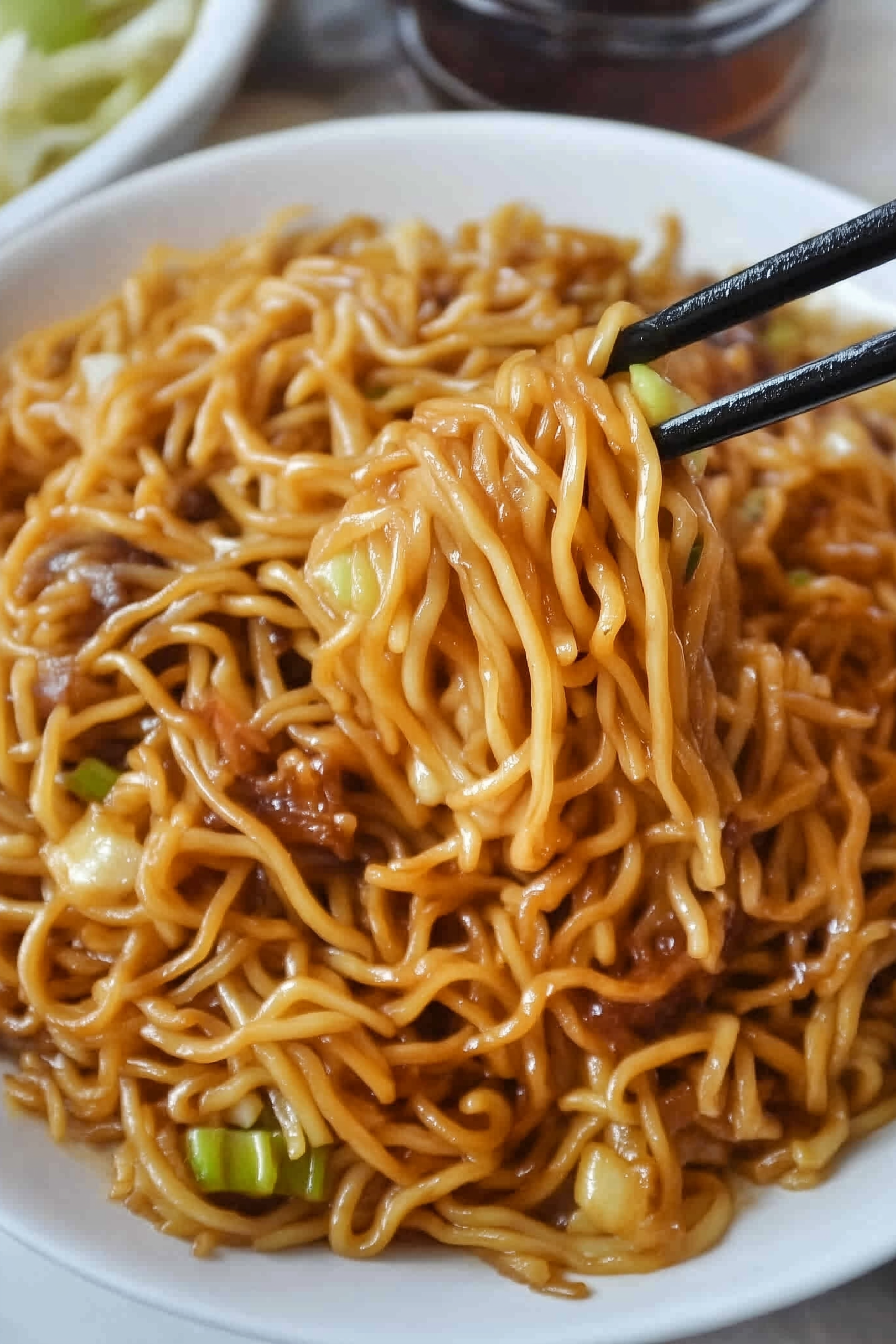
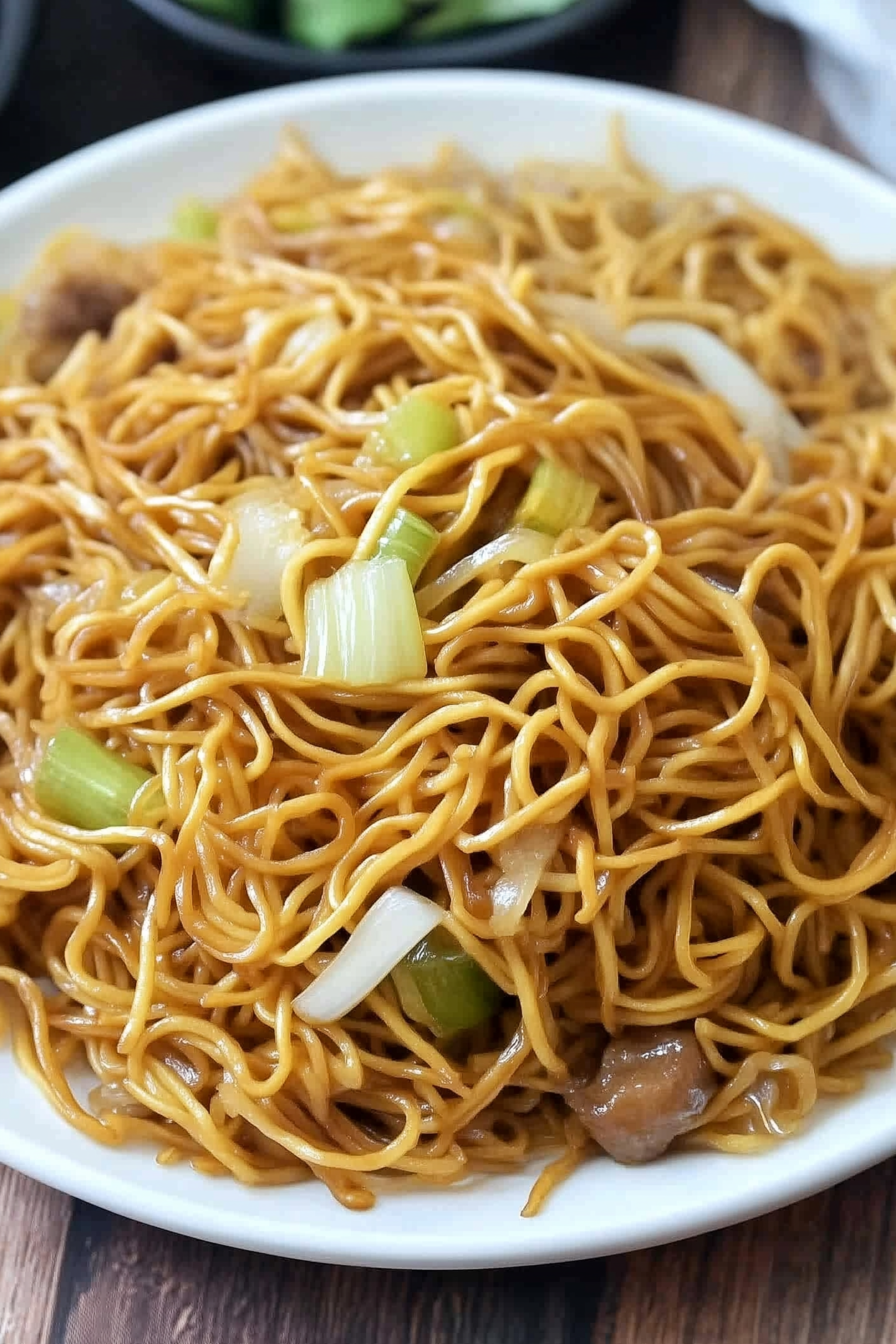
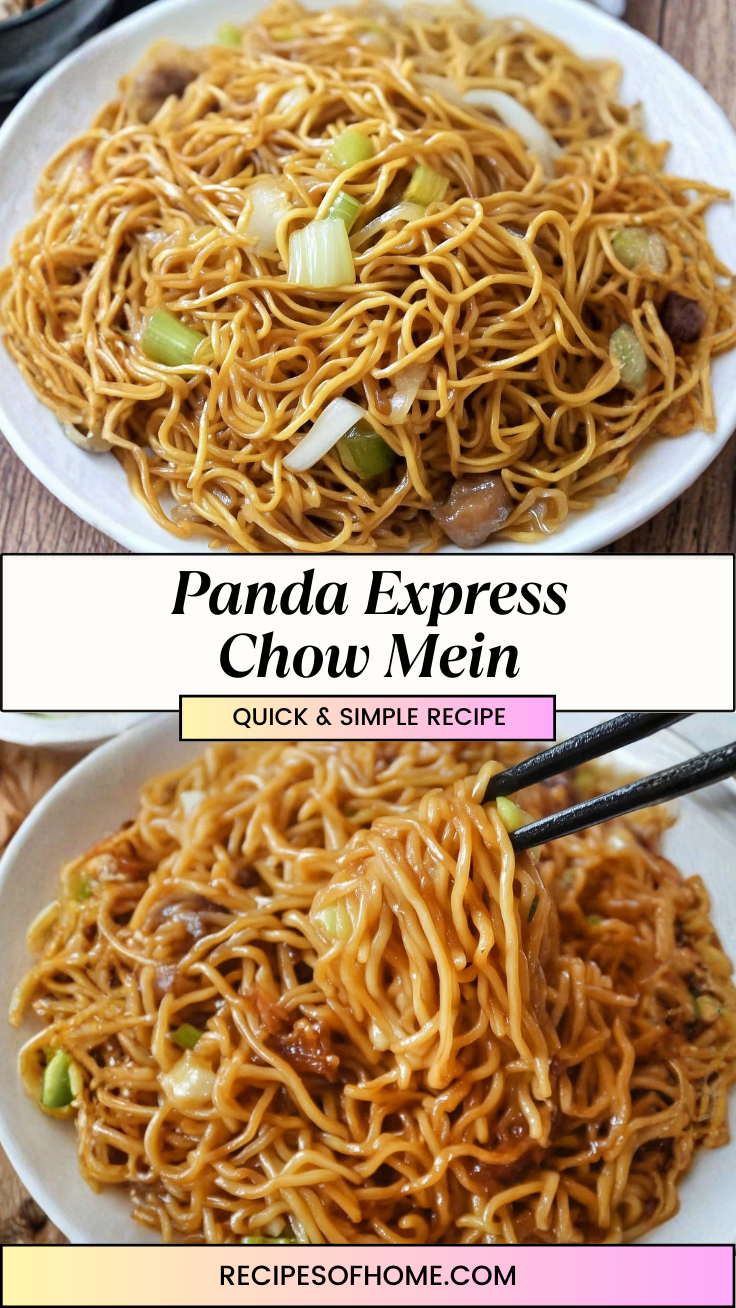
That unmistakable aroma of toasted sesame and savory soy sauce hitting a hot wok is enough to bring anyone to the kitchen. This Homemade Panda Express Chow Mein is the ultimate “fake-out takeout” solution for those hectic weeknights when you want those glossy, tender noodles without the delivery fee. It captures that perfect balance of crunch from the cabbage and celery against the soft, pillowy bite of the noodles.
There’s something incredibly satisfying about watching the cabbage wilt just enough to stay sweet and crisp while the sauce glazes every single strand. When you serve this up, it’s not just about the convenience; it’s about that classic, comforting flavor profile that somehow tastes even better when it’s fresh off your own stove. It’s a fast, high-heat dance of ingredients that results in a side dish—or a main—that disappears from the table in minutes.
Why You’ll Love It
- Better-Than-Takeout Freshness: You control the oil and sodium levels, ensuring a cleaner taste without sacrificing that signature restaurant “wok hei” charred flavor.
- 15-Minute Mastery: From chopping to serving, this dish moves fast, making it the perfect hero for busy Monday nights.
- Ultimate Versatility: While it’s a stellar side for orange chicken, you can easily toss in shrimp, tofu, or sliced beef to turn it into a complete one-pan meal.
- Kid-Approved Texture: The mild, savory sauce and soft noodles are a universal hit with picky eaters who shy away from bolder spices.
- Budget-Friendly Pantry Staples: Most of the ingredients, like soy sauce and celery, are likely already in your kitchen, keeping your grocery bill low.
Ingredient Notes & Details
- Chow Mein Noodles: Look for “refrigerated” or “fresh” yakisoba or chow mein noodles. If using dried, par-boil them for a minute less than the package directs so they don’t get mushy in the wok.
- Cabbage and Celery: These are the backbone of the Panda Express style. Slice the celery on a sharp bias and shred the cabbage thinly to ensure they cook at the same rate as the noodles.
- Soy Sauce & Oyster Sauce: This duo provides the umami depth. If you are vegetarian, swap the oyster sauce for a vegetarian mushroom sauce—it provides that same thick, savory punch.
- Toasted Sesame Oil: Don’t skip this! It’s the finishing touch that provides that nutty, professional aroma.
- Onions: Yellow or white onions work best here. They soften beautifully to add a subtle sweetness to the savory base.
Step-by-Step Instructions
Start by prepping your sauce in a small bowl; whisking the soy sauce, oyster sauce, and a pinch of sugar beforehand ensures the flavor is distributed evenly once things get hot. You’ll want to heat your wok or a large non-stick skillet over medium-high heat with a splash of neutral oil.
Toss in your onions, celery, and cabbage first. The goal here is to “flash fry” them. You want them to soften slightly but retain a distinct snap. Once the veggies are fragrant, add your noodles directly to the pan. If they are sticking together, use a pair of tongs to gently pull them apart. Pour the sauce mixture over the top and toss vigorously. The high heat will caramelize the sugars in the sauce, coating the noodles in a glossy, dark finish. Finish with a drizzle of sesame oil and a final toss before pulling it off the heat to prevent the noodles from overcooking.
Expert Tips
- Don’t Overcrowd: If you’re doubling the recipe, cook in two batches. Too many noodles in the pan will cause them to steam rather than fry, leading to a soggy texture.
- The “Cold Rinse”: If using dried noodles, rinse them under cold water after boiling to stop the cooking process and remove excess starch.
- High Heat is Key: Don’t be afraid to turn up the flame. The noodles need that quick sear to get the right mouthfeel.
- Bias Cut Celery: Cutting celery at a diagonal creates more surface area for the sauce to cling to and looks much more professional.
- Add White Pepper: A tiny pinch of ground white pepper adds that “authentic” Chinese restaurant zing that black pepper just can’t replicate.
Storage & Reheating
This chow mein stores beautifully in an airtight container in the fridge for up to 4 days. To reheat, avoid the microwave if possible as it can make the noodles rubbery. Instead, toss them back into a hot skillet with a teaspoon of water or a tiny bit of oil for 2–3 minutes until revived.
Serving & FAQs
What should I serve this with? It pairs perfectly with Honey Walnut Shrimp, Beef and Broccoli, or even just a simple plate of potstickers.
Can I use spaghetti noodles? In a pinch, yes! Use thin spaghetti or linguine, but boil them in water with a half-teaspoon of baking soda. This changes the pH of the water and gives the pasta a more “alkaline” noodle texture similar to traditional chow mein.
How do I make it spicy? Simply add a teaspoon of chili crisp or red pepper flakes when you are sautéing the vegetables.
📖 Recipe
Homemade Panda Express Chow Mein
Ingredients
- 12 oz fresh Chow Mein noodles yakisoba style
- 2 cups cabbage thinly shredded
- 2 ribs celery thinly sliced on a bias
- ½ white onion thinly sliced
- 2 tbsp vegetable oil
- 2 tbsp soy sauce low sodium preferred
- 1 tbsp oyster sauce
- 1 tsp sugar
- ½ tsp toasted sesame oil
Instructions
- In a small bowl, whisk together the soy sauce, oyster sauce, and sugar until the sugar is dissolved. Set aside.
- Heat the vegetable oil in a large wok or skillet over medium-high heat.
- Add the onion, celery, and cabbage. Stir-fry for 2–3 minutes until the vegetables are slightly softened but still crisp.
- Add the noodles to the wok. If using pre-packaged noodles that are clumped, use tongs to separate them as they warm up.
- Pour the sauce mixture over the noodles and vegetables. Toss constantly for 2–4 minutes until the noodles are well-coated and heated through.
- Remove from heat and drizzle with toasted sesame oil. Give it one last toss and serve immediately.
Leave a Reply